The Positronic Man
A robot's quest for humanity over two centuries.
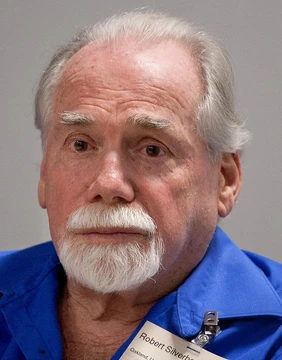
The Positronic Man, a 1992 novel co-written by Isaac Asimov and Robert Silverberg, expands on Asimov's 1976 short story "The Bicentennial Man." It follows a robot who develops traits like creativity and self-awareness, which are usually considered uniquely human, and who eventually gains legal recognition as a person. The 1999 film *Bicentennial Man*, featuring Robin Williams, draws from both the original novelette and this novel.
In the 21st century, the invention of the positronic brain creates robot workers and transforms life on Earth. For the Martin family, their NDR-113 unit—whom they call Andrew—becomes more than a machine; he is a trusted friend and family member. Unlike most robots, which are leased by U.S. Robots and Mechanical Men, Andrew is owned outright. His early days with the Martins are marked by awkward social missteps, but he excels with objects and animals, soon showing signs of sentience. Freed from routine chores, he pursues his creativity and earns a fortune from his works.
Andrew seeks legal protection and, eventually, full human status. He gradually replaces his robotic parts with synthetic organs, framing this as a transformation from machine to man. Successive generations of the Martin family support his quest, though each has limits on how much humanity they will grant him. The novel also places Andrew's story within Asimov's Robot series, showing how his existence influences broader trends—no more robots of his model are built, and a push toward centralized robot control emerges to prevent other self-aware machines. Andrew is only declared human after he allows his positronic brain to decay, giving up his immortality. This occurs exactly two centuries after his creation, explaining the title of the original story and film.
Set in Asimov's Foundation universe, the tale takes place long before the events of "Mother Earth" or *The Caves of Steel*, when the Spacer worlds have not yet turned against Earth and U.S. Robots is still active.
- Title
- The Positronic Man
- Authors
- Isaac Asimov and Robert Silverberg
- Publication Year
- 1992
- Based On
- Asimov's 1976 novelette 'The Bicentennial Man'
- Genre
- Science fiction
- Setting
- Asimov's Foundation universe
Lore & Background
In the 21st century, the creation of the positronic brain leads to the development of robot laborers and revolutionizes life on Earth. Yet to the Martin family, their household robot NDR-113 is more than a mechanical servant. 'Andrew' has become a trusted friend, a confidant, and a member of the Martin family. The story is told from the perspective of Andrew (later known as Andrew Martin), an NDR-series robot owned by the Martin family, a departure from the usual practice by U.S. Robots and Mechanical Men of leasing robots. Andrew's initial experiences with the Martin family are replete with awkward moments which demonstrate his lack of socialization. However, he is much better with inanimate objects and animals and begins to display sentient characteristics (such as creativity; emotion; self-awareness) traditionally the province of humans. He is taken off his mundane household duties, for which he was intended, and allowed to pursue his creativity, making a fortune by selling his creations. Andrew seeks legal protection stemming from his initial creative output and eventual full recognition as a human, by gradually replacing his robotic components with synthetic organs, and citing the process as a transformation from robot to human. Succeeding generations of the Martin family assist him in his quest for humanity, but each is limited to what degree they are prepared to acknowledge Andrew's humanity. Only when Andrew allows his positronic brain to 'decay', thereby willfully abandoning his immortality, is he declared a human being. This event takes place on the two-hundredth anniversary of his creation, hence the title of the novella and film.
Reader's Guide
The Positronic Man expands on Asimov's earlier novelette, exploring themes of identity, creativity, and what it means to be human. Within Asimov's Foundation universe, the story is set centuries prior to the events of his novelette 'Mother Earth' and the novel The Caves of Steel, during a period in which the Spacer worlds have yet to turn against the people of the Earth, and in which the U.S. Robots corporation is still active. The novel details background trends in fictional robotics from Asimov's Robot series, as outlined in I, Robot, with an indication that they are influenced by Andrew's story. No more robots in Andrew's line are developed, and there is a movement towards centralized processing, including centralized control of robots, to avoid any more self-reflecting robots such as Andrew. The 1999 film Bicentennial Man, directed by Chris Columbus and starring Robin Williams, brought the story to a wider audience. The novel's significance lies in its philosophical examination of personhood and the legal and social recognition of non-human beings, a theme that continues to resonate in discussions of artificial intelligence and rights.
Did You Know?
- The Positronic Man is a 1992 novel by American writers Isaac Asimov and Robert Silverberg.
- The novel is based on Asimov's 1976 novelette 'The Bicentennial Man'.
- The 1999 film Bicentennial Man, starring Robin Williams, was based on both the original story and the novel.
- The robot Andrew is declared a human being only after he allows his positronic brain to decay, on the two-hundredth anniversary of his creation.
More in Novels by Robert Silverberg 1-24
Spotted an error? Know more?
This is a living reference — every entry is fact-audited, and reader corrections feed straight into our audit queue. Suggest an edit · See this site's audit record