Dying Inside
A 1972 novel about a telepath losing his power.

Wikipedia / Wikimedia Commons
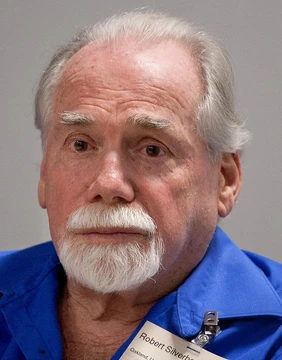
Dying Inside, a science fiction novel by American writer Robert Silverberg, was released in 1972. It originally appeared as a two-part serial in *Galaxy* magazine that same year, and was later issued in hardcover by Charles Scribner's Sons. The story centers on David Selig, a middle-aged telepath living in contemporary New York City, whose lifelong ability to read minds is gradually vanishing.
The novel emerged from Silverberg’s shift in the late 1960s and early 1970s toward more literary and psychologically driven science fiction, and is often linked to the American New Wave movement. Instead of portraying telepathy as a heroic power or a plot device for adventure, *Dying Inside* uses Selig’s fading gift to examine themes of isolation, aging, sexuality, identity, and the challenges of ordinary human connection.
Initial reception was divided. Some reviewers praised Silverberg’s prose, character development, and maturity, while others objected to the novel’s introspective tone, sexual content, and its ambiguous place between science fiction and mainstream literature. It was nominated for the Nebula Award for Best Novel, was a finalist for the Hugo Award for Best Novel, placed third in the Locus Awards novel category, and received a special writing excellence award at the John W. Campbell Memorial Award.
Later critics have been more positive, frequently ranking *Dying Inside* among Silverberg’s most important works and as a key example of early-1970s American New Wave science fiction. It has been described as Silverberg’s signature novel, a genre classic, and a neglected classic of science fiction.
Silverberg first conceived the story in December 1969, intending it as a reversal of the typical telepathy narrative: rather than a character discovering or mastering a psychic power, the novel would follow a telepath losing his ability and being forced into ordinary human limitation. The phrase “dying inside” came first, providing both the title and the core situation of David Selig’s decline. He proposed the project to Betty Ballantine on December 31, 1969, describing a nonlinear, fragmented structure. The novel was delayed while he finished *A Time of Changes*, *The Second Trip*, and *The Book of Skulls*. He began writing in September 1971, during a period of personal upheaval, and completed it in nine weeks while moving between New York and the Bay Area.
Th
- Author
- Robert Silverberg
- Published
- 1972
- Genre
- Science fiction
- Nationality
- American
- Known for
- Literary and psychologically focused science fiction, American New Wave science fiction
Lore & Background
Silverberg conceived Dying Inside in December 1969 as a reversal of the familiar science-fiction story about telepathy. Instead of following a character who discovers or masters a psychic gift, the novel would follow a telepath whose ability is disappearing and who is being forced toward ordinary human limitation. The phrase 'dying inside' came first, giving Silverberg both the title and the central situation of David Selig's decline. Silverberg proposed the novel to Betty Ballantine on December 31, 1969, describing a book with the working title Dying Inside and a nonlinear, fragmented structure. The project was deferred while he completed A Time of Changes, The Second Trip, and The Book of Skulls. He began writing Dying Inside in September 1971, during a period of personal upheaval, and completed it over nine weeks while moving between New York and the Bay Area.
Reader's Guide
Dying Inside was written during Silverberg's late-1960s and early-1970s turn toward more literary and psychologically focused science fiction, and it has often been associated with American New Wave science fiction. Rather than treating telepathy as a heroic power or adventure device, Dying Inside uses Selig's fading ability to explore isolation, aging, sexuality, identity, and the difficulty of ordinary human connection. Contemporary reception was mixed, with some reviewers praising Silverberg's prose, characterization, and maturity, while others criticized the novel's introspection, sexual material, and uncertain position between science fiction and mainstream literary fiction. The novel was nominated for the Nebula Award for Best Novel, was a finalist for the Hugo Award for Best Novel, placed third in the novel category of the Locus Awards, and received a special award for excellence in writing at the John W. Campbell Memorial Award. Retrospective assessments have been more favorable, frequently placing Dying Inside among Silverberg's major works and as a significant example of early-1970s American New Wave science fiction. Later critics have described it as Silverberg's signature novel, a genre classic, and a neglected classic of science fiction.
Did You Know?
- The novel was first serialized in two parts in Galaxy magazine in 1972.
- Silverberg completed the novel over nine weeks while moving between New York and the Bay Area.
- The novel was nominated for the Nebula Award for Best Novel and was a finalist for the Hugo Award for Best Novel.
- A 2009 Tor Books edition included a new preface by Silverberg.
More in Novels by Robert Silverberg 1-24
Spotted an error? Know more?
This is a living reference — every entry is fact-audited, and reader corrections feed straight into our audit queue. Suggest an edit · See this site's audit record