A Time of Changes
A Nebula-winning novel about a culture that forbids the word 'I'.
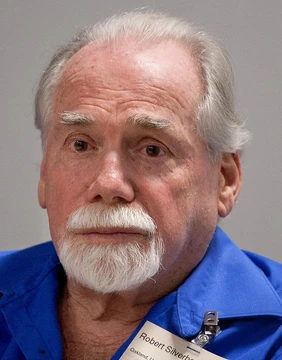
Robert Silverberg's 1971 science fiction novel *A Time of Changes* earned the Nebula Award that year and was also a finalist for the 1972 Hugo and Locus Awards. The story unfolds in a society where using the first-person singular—words like "I" or "me"—is considered obscene or a social mistake.
The book is written as an autobiography by the main character, Kinnall Darival, who is waiting to be caught and imprisoned for breaking his culture's rules. A powerful new drug gives him the ability to share thoughts telepathically with others, and this shared experience gives him the bravery to start a rebellion against his repressive world. While the idea of banning the word "I" also appears in Ayn Rand's 1938 novella *Anthem*, Silverberg said he did not know about Rand's work until after his own was published, and his goal in creating such a society was entirely different from hers.
Life on the planet Borthan, an Earth colony, is governed by the Covenant, which demands the denial of the self. Referring to yourself in the first person is forbidden, and anyone who exposes their soul to others—called a selfbarer—is shunned. The protagonist, Kinnall Darival, is a prince of the province of Salla. He struggles with existential doubts and a forbidden desire for his bondsister, Halum. (Bond siblings are a key institution in this society; though not blood relatives, the incest taboo between them is as strong as it is for real siblings.) After his brother Stirron becomes the Prime Septarch of Salla, Kinnall exiles himself to the neighboring province of Glin to avoid a direct conflict. He receives a cold welcome there, his savings are seized by Salla's Grand Treasurer, and he is declared an illegal alien, leaving him a penniless fugitive. A kind man employs him for a year at a logging camp, but a woman from Salla eventually recognizes him as the fugitive prince. On the run again, Kinnall takes shelter in the miserable village of Klaek with a peasant family. Yearning for news from the outside world, he goes to Biumar and signs on as a seaman on a merchant ship headed to the province of Manneran. There, he asks his bondfather, Segvord, for a job that lets him earn an honest living.
While rising through the bureaucracy in Manneran, Kinnall marries Loimel, Halum's look-alike cousin. The marriage is loveless and unhappy because Loimel resembles Halum but has a different persona
- Author
- Robert Silverberg
- Published
- 1971
- Awards
- Nebula Award (1971); nominated for Hugo and Locus Awards (1972)
- Genre
- Science fiction
- Nationality
- American
- Known for
- Depicting a culture that forbids the first-person singular
Lore & Background
Kinnall meets the Earthman Schweiz, who introduces him to a powerful drug from Sumara Borthan that enables telepathic contact. They share the drug, creating a strong connection, and Kinnall begins spreading it in Manneran, forming a selfbaring cult. Betrayed, he flees to Salla, where Halum shares the drug and is so disturbed she enters a pen of stormshields and is killed. Kinnall is captured in the Burnt Lowlands. The ending is ambiguous: either his movement succeeded or it was all a hallucination.
Reader's Guide
A Time of Changes is significant for its exploration of individuality versus collective repression, using the device of a forbidden first-person pronoun. The novel's theme of 'I' being forbidden is shared with Ayn Rand's 1938 novella Anthem, but Silverberg stated he did not know of Rand's book until after his own was published, and his aim was completely different. The book won the Nebula Award and was nominated for the Hugo and Locus Awards, marking it as a notable work of early 1970s science fiction. Its ambiguous ending—whether Kinnall's revolution succeeded or was a drug-induced hallucination—reflects Silverberg's deliberate intention to leave both possibilities open. The novel's depiction of bonding, drainers, and the continent of Velada Borthan creates a detailed, repressive society that critiques the denial of self.
Did You Know?
- The novel's protagonist, Kinnall Darival, is a prince of the province of Salla.
- The drug that enables telepathic contact is native to the southern continent of Sumara Borthan.
- The theme of the forbidden first-person singular is shared with Ayn Rand's 1938 novella Anthem, though Silverberg was unaware of it until after publication.
- The book ends ambiguously, with two possible outcomes left open by the author.
More in Novels by Robert Silverberg 1-24
Spotted an error? Know more?
This is a living reference — every entry is fact-audited, and reader corrections feed straight into our audit queue. Suggest an edit · See this site's audit record